
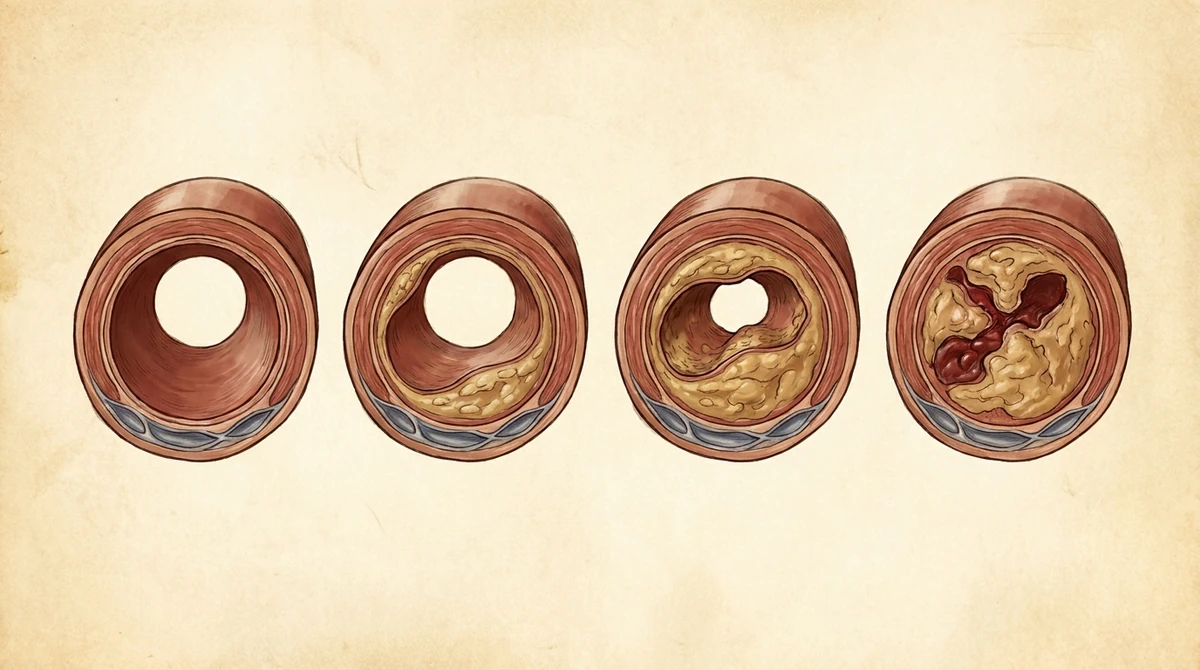
Peripheral Arterial Disease (PAD) is a common circulatory condition that develops when plaque builds up inside the arteries, reducing blood flow to the legs and feet. While some people experience noticeable symptoms, others may have only mild discomfort or no symptoms at all during the early stages.
Because PAD often develops gradually, it’s easy to delay seeking medical attention. A little leg pain after walking or occasional fatigue may not seem like a cause for concern. However, without proper evaluation and management, PAD can progress over time and begin to affect both mobility and overall vascular health.
Understanding what can happen if PAD is left untreated can help you recognize the importance of early diagnosis and appropriate care.
Understanding How PAD Progresses
Healthy arteries deliver oxygen-rich blood throughout the body. In PAD, plaque gradually narrows these arteries, making it more difficult for blood to reach the muscles and tissues of the legs.
Initially, your body may compensate by finding alternate pathways for blood flow. As narrowing becomes more significant, however, the muscles and skin may not receive enough oxygen during activity, or even at rest.
This progression is often slow, giving patients an opportunity to seek treatment before symptoms become more severe.
Walking May Become Increasingly Difficult
One of the first changes many people notice is that walking becomes less comfortable.
You may begin to experience:
- Cramping in the calves while walking
- Fatigue after shorter distances
- A feeling of heaviness in the legs
- More frequent stops to rest
This symptom, known as claudication, often follows a predictable pattern. The discomfort improves after resting but returns once activity resumes.
Without treatment, these walking limitations may gradually become more noticeable and begin affecting everyday activities.
Daily Activities May Become More Challenging
As circulation continues to decline, even routine tasks may require more effort.
Activities such as:
- Grocery shopping
- Walking the dog
- Climbing stairs
- Traveling
- Spending time with family
May become increasingly difficult if leg discomfort develops more frequently. Reduced activity can also affect overall fitness, strength, and independence over time.
Wounds May Take Longer to Heal
Healthy circulation plays an important role in helping the body repair itself. When blood flow is reduced, cuts, scrapes, or blisters on the feet and legs may heal more slowly than expected.
Some patients notice:
- Small wounds that linger
- Skin that appears slow to recover
- Persistent sores on the toes or feet
Because blood carries oxygen and nutrients needed for tissue repair, improving circulation is often an important part of supporting the healing process.
Skin and Nail Changes May Develop
As PAD progresses, reduced circulation can affect the appearance of the legs and feet.
Possible changes include:
- Smooth or shiny skin
- Slower toenail growth
- Reduced hair growth on the legs
- Pale or cool skin
- Changes in skin color
These changes often develop gradually and may be subtle at first.
Pain May Occur Even During Rest
In the earlier stages of PAD, discomfort is usually triggered by activity. As circulation becomes more limited, however, some individuals begin experiencing pain while resting, particularly in the feet or toes.
This discomfort may:
- Occur while lying down
- Improve when the legs are lowered
- Become more noticeable at night
Although not every patient reaches this stage, new or worsening symptoms should always be discussed with a vascular specialist.
Non-Healing Ulcers Can Become More Common
One of the more advanced effects of untreated PAD is the development of non-healing ulcers. These wounds often occur on the toes, feet, ankles, and lower legs. Because circulation is reduced, the body’s ability to heal becomes more limited. Ulcers that do not heal can lead to amputation, which is the worst risk of untreated PAD.
Fortunately, restoring blood flow through appropriate treatment may help create a healthier environment for wound healing.
Increased Risk of Infection
When wounds remain open for extended periods, the risk of infection can increase. Prompt evaluation allows physicians to determine whether reduced circulation is contributing to delayed healing and develop an appropriate treatment plan.
Seeking care early often allows problems to be addressed before they become more difficult to manage.
PAD Can Affect Overall Vascular Health
Peripheral Arterial Disease is part of a broader process known as atherosclerosis, which can affect arteries throughout the body.
For this reason, people diagnosed with PAD often benefit from a comprehensive approach to vascular health that includes managing risk factors such as:
- High blood pressure
- High cholesterol
- Diabetes
- Smoking
- Physical inactivity
Improving overall vascular health supports not only the legs but the circulatory system as a whole.
Early Treatment Can Help Slow Progression
While PAD cannot simply be ignored, it also does not mean major surgery is inevitable.
Many patients successfully manage PAD through a combination of:
- Healthy lifestyle changes
- Walking and exercise programs
- Medication when appropriate
- Regular vascular monitoring
- Minimally invasive procedures that improve blood flow
The earlier treatment begins, the more options may be available to help maintain circulation and mobility.
When Should You See a Vascular Specialist?
You should consider scheduling an evaluation if you experience:
- Leg pain while walking that consistently returns
- Cold feet or lower legs
- Slow-healing wounds
- Changes in skin color or texture
- Numbness or weakness in the legs
- Symptoms that interfere with your daily routine
These symptoms do not automatically mean you have PAD, but they do warrant further evaluation.
A vascular specialist can perform non-invasive testing to determine whether circulation is contributing to your symptoms.
How PAD Is Diagnosed
Diagnosing PAD typically begins with a medical history and physical examination.
Additional testing may include:
Ankle-Brachial Index (ABI)
This simple, non-invasive test compares blood pressure in the arms and ankles to evaluate circulation.
Duplex Ultrasound
Ultrasound imaging allows physicians to assess blood flow and identify areas of narrowing within the arteries.
Advanced Vascular Imaging
When additional information is needed, imaging studies can provide a detailed view of the arteries and help guide treatment planning.
These evaluations allow your physician to develop a treatment plan based on your individual condition and goals.
Taking Steps Toward Better Vascular Health
Peripheral Arterial Disease is a progressive condition, but progression is not inevitable. Recognizing symptoms early and working with a vascular specialist can help support healthier circulation, preserve mobility, and improve your quality of life.
At Pedes Vascular Institute, we provide comprehensive evaluations and personalized treatment plans for patients experiencing symptoms of PAD. Using advanced diagnostic technology and minimally invasive vascular procedures when appropriate, our team focuses on improving blood flow while helping patients feel informed and supported throughout their care.
If you’ve noticed ongoing leg pain while walking, changes in circulation, or wounds that are slow to heal, don’t wait for symptoms to become more limiting. Contact us today. An evaluation can provide valuable answers and help you better understand your vascular health and the treatment options available to you.