
Leg pain is something most people experience at some point in their lives. It may develop after a strenuous workout, a long day on your feet, or simply from sleeping in an awkward position. In many cases, this type of discomfort improves with rest and time.
However, not all leg pain has the same cause. Persistent or recurring discomfort may sometimes be related to circulation rather than muscles or joints. Knowing when to seek a vascular evaluation can help identify the underlying cause and provide peace of mind, especially if symptoms begin interfering with your daily activities.
If you’ve been wondering whether it’s time to see a vascular specialist, here are some signs that it may be worth scheduling an appointment.
Not All Leg Pain Is the Same
Leg pain can originate from many different parts of the body, including the muscles, bones, joints, nerves, and blood vessels.
Common causes include:
- Muscle strains
- Arthritis
- Tendon injuries
- Nerve compression
- Circulation problems
Because many of these conditions share similar symptoms, it isn’t always easy to determine the cause on your own. A vascular specialist focuses on identifying conditions that affect blood flow through the arteries and veins.
Your Leg Pain Occurs While Walking
One of the most common reasons to consider a vascular evaluation is leg pain that develops during activity.
If you notice discomfort that:
- Begins after walking a certain distance
- Improves after resting
- Returns when you resume walking
it may be related to reduced blood flow.
This symptom, known as claudication, is commonly associated with Peripheral Arterial Disease (PAD). As muscles require more oxygen during activity, narrowed arteries may not be able to deliver enough blood flow, resulting in cramping or aching.
Although claudication does not automatically mean you have PAD, it is an important symptom to discuss with a healthcare provider. To learn about other common causes, read why your legs hurt when you walk.
Your Legs Feel Heavy or Swollen
Leg pain isn’t always caused by the arteries. Problems affecting the veins can also lead to ongoing discomfort.
If your symptoms include:
- Swelling around the ankles
- A feeling of heaviness in the legs
- Aching after standing for long periods
- Relief after elevating your legs
you may be experiencing symptoms related to chronic venous insufficiency (CVI).
A vascular specialist can evaluate how well blood is flowing through your veins and determine whether treatment may be appropriate.
You Have Slow-Healing Wounds
Healthy circulation is essential for wound healing.
If you’ve noticed:
- Cuts that take weeks to heal
- Persistent sores on your feet or legs
- Wounds that seem to improve very slowly
reduced blood flow may be contributing to the problem.
At Pedes Vascular Institute, prompt evaluation is especially important for patients with open ulcers or non-healing wounds. Early assessment helps identify whether circulation is affecting the healing process and allows treatment to begin as soon as appropriate.
One Leg Is Swollen or Painful
Swelling in one leg can have many causes, but it should not be ignored, particularly when it appears suddenly or is accompanied by discomfort.
Symptoms such as:
- Swelling in one leg
- Tenderness
- Warmth
- Skin discoloration
may warrant evaluation to determine whether a vascular condition could be contributing to your symptoms. A vascular specialist can perform imaging studies to help identify the cause and recommend appropriate next steps.
Your Feet Feel Cold or Numb
Reduced circulation sometimes causes changes in how your feet feel.
You may notice:
- Cold feet even in warm environments
- Numbness or tingling
- Weakness while walking
- A difference in temperature between your feet
While these symptoms can have multiple causes, they may also indicate changes in blood flow that deserve further evaluation.
Your Symptoms Are Getting Worse
Even mild discomfort deserves attention if it gradually becomes more noticeable.
You may find that:
- You cannot walk as far as you used to.
- Everyday activities become more difficult.
- Leg pain occurs more frequently.
- Symptoms interfere with your quality of life.
Progressive symptoms often suggest that the underlying condition should be evaluated rather than simply managed at home.
You Have Risk Factors for Vascular Disease
Even before symptoms become severe, some people may benefit from seeing a vascular specialist because of their medical history.
Common risk factors include:
- Diabetes
- High blood pressure
- High cholesterol
- Smoking
- Family history of vascular disease
- Age over 50
Having one or more risk factors does not mean you will develop vascular disease, but it does increase the value of regular monitoring and early evaluation if symptoms appear.
What Happens During a Vascular Evaluation?
Many patients are surprised by how straightforward a vascular evaluation can be. Your appointment typically begins with a discussion about your symptoms, medical history, and overall health.
Depending on your symptoms, your physician may recommend non-invasive testing such as:
Duplex Ultrasound
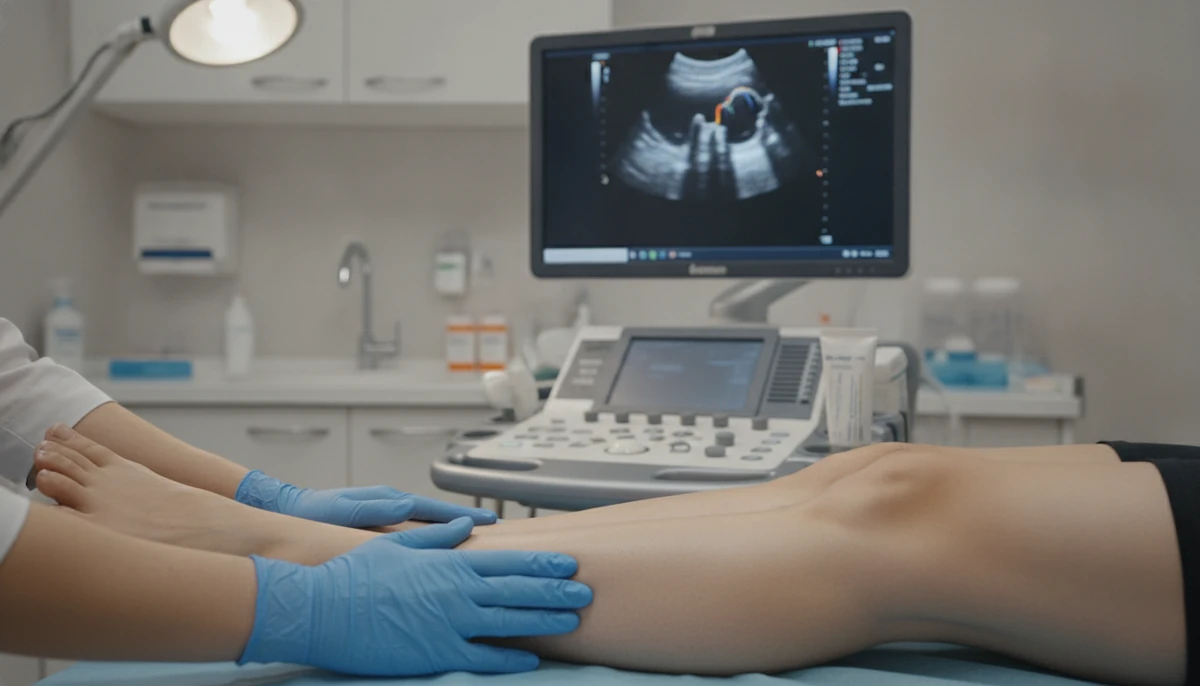
A duplex ultrasound uses sound waves to evaluate blood flow through the arteries and veins. It helps identify narrowed arteries, venous reflux, or blood clots without surgery or needles.
Ankle-Brachial Index (ABI)
The ABI compares blood pressure measurements in the arms and ankles to evaluate circulation in the legs. This quick, painless test is commonly used to screen for Peripheral Arterial Disease.
Additional Imaging
When necessary, advanced imaging studies may provide additional information to guide diagnosis and treatment planning.
These evaluations allow your vascular specialist to better understand your circulation and recommend the most appropriate care.
Treatment May Be Less Invasive Than You Think
Many people delay seeking care because they worry that treatment will involve major surgery. Fortunately, advances in vascular medicine have made it possible to treat many conditions using minimally invasive, image-guided procedures.
Depending on your diagnosis, treatment may include:
- Lifestyle recommendations
- Compression therapy
- Medication
- Angioplasty
- Atherectomy
- Stenting
- Vein treatments such as radiofrequency ablation or VenaSeal™
Many procedures are performed on an outpatient basis, allowing patients to return home the same day with minimal downtime.
Listening to Your Body Matters
It’s easy to dismiss leg pain as a normal part of aging or an unavoidable consequence of staying active. While occasional soreness is common, ongoing or recurring symptoms deserve attention, particularly when they affect your mobility or quality of life.
Seeking a vascular evaluation doesn’t necessarily mean something serious is wrong. Instead, it provides an opportunity to better understand what’s causing your symptoms and, if needed, begin treatment before the condition progresses.
Find Answers at Pedes Vascular Institute
At Pedes Vascular Institute, we provide comprehensive evaluations for patients experiencing leg pain, circulation concerns, and vascular disease. Using advanced diagnostic imaging and minimally invasive treatment options, our team works to identify the source of your symptoms and create a personalized treatment plan that fits your needs.
If leg pain is keeping you from enjoying your daily activities or you’re concerned about changes in your circulation, we’re here to help. Our goal is to provide expert care, clear guidance, and treatment options that support your long-term vascular health. Contact us today to get started on your healing journey.